

Top 7 Natural Flea and Tick Solutions
When it comes to protecting your pets from fleas and ticks, natural alternatives are gaining traction as safer options for pets, families, and the environment. Conventional chemical treatments have been linked to adverse effects, including seizures and fatalities in pets, and potential risks for humans. This article explores seven natural solutions that effectively combat fleas and ticks without the toxic side effects.
Here’s a quick rundown:
- CatanDog's Medal: A chemical-free collar attachment using bio-resonance technology to repel pests.
- Wondercide Flea & Tick Spray: Plant-based spray with essential oils that kills and repels fleas and ticks on contact.
- Cedarwood Oil: A natural repellent that disrupts flea and tick reproduction.
- Diatomaceous Earth (DE): A powder that physically dehydrates pests without chemicals.
- Neem and Lavender Sprays: Plant-based solutions that repel pests and soothe skin irritation.
- Flea Combs: A manual tool for removing fleas and flea dirt from pets.
- Beneficial Nematodes: Microscopic organisms that target fleas in outdoor areas.
These options range from wearable devices to sprays and yard treatments, offering a variety of ways to protect pets naturally. Each method has its own strengths, safety considerations, and application tips, making it easy to find a solution tailored to your needs. Let’s dive into the details.
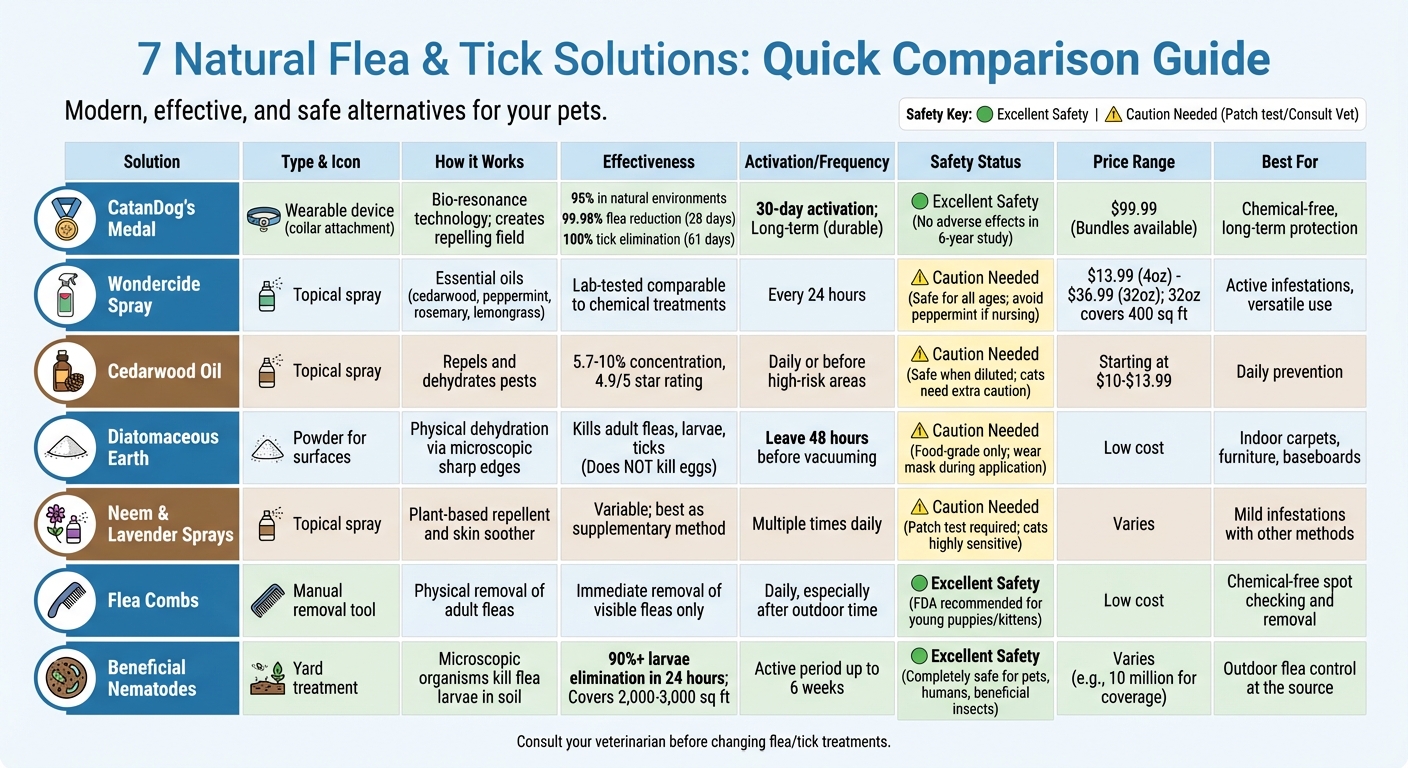
7 Natural Flea and Tick Solutions Comparison Chart
Natural Flea And Tick Remedies For Dogs and Cats
1. CatanDog's Medal

The CatanDog's Medal, available at catandogs.shop, offers a chemical-free way to protect your furry friend from fleas and ticks. Using bio-resonance technology, it taps into the Earth's magnetic field. As your pet moves, the medal generates currents and waves that create an invisible barrier, naturally keeping parasites at bay.
Effectiveness Against Fleas and Ticks
This technology has been trusted for over 27 years. A study conducted by the Complutense University of Madrid revealed its impressive performance - 95% effectiveness in natural environments. In controlled tests, the medal achieved a 99.98% reduction in fleas within 28 days and completely eliminated ticks by day 61.
Important Note: The medal requires a 30-day activation period once attached to your pet’s collar. During this time, it syncs with your pet’s body to establish its protective field. Make sure your pet is free of fleas, ticks, and larvae before using the medal, as it prevents new infestations but does not kill existing ones.
Safety for Pets and Humans
Over six years of safety studies involving 600 subjects reported no adverse effects, making it suitable for pets of all ages - including puppies, kittens, seniors, and pregnant animals. This is especially helpful for pets that may not tolerate chemical treatments. Since it contains no pesticides, it’s also safe for children to interact with pets wearing the medal.
Professor José Luis Arrans Gil explains how it works:
CatanDog's plate produces electromagnetic and scalar waves.
The frequency it generates closely matches that of a pet’s heart, and decades of use have shown no harmful effects.
Environmental Impact
The CatanDog's Medal is eco-friendly. It produces no chemical waste, doesn’t require batteries, and avoids creating toxic runoff. Its durable design eliminates the need for disposable treatments like monthly spot-on solutions. Plus, because it repels parasites instead of poisoning them, it doesn’t contribute to pesticide resistance or harm beneficial insects. Made from jewelry-grade Zamak, it’s both sturdy and safe for the environment.
Ease of Use and Application
Using the medal is simple: attach it to your pet’s collar, and it provides continuous protection. It’s lightweight, weighing only 0.2–0.4 oz, and comes with a silicone holder to keep it secure. However, if the medal is removed, the 30-day activation period will need to restart.
Pricing and Purchase Options
The CatanDog's Medal is available for $99.99 USD at catandogs.shop. You can also save with bundle options: buy two for $85.00 each (15% off) or three for $75.00 each (25% off).
Next, we’ll look at another natural solution from our top 7 list. Stay tuned!
2. Wondercide Flea & Tick Spray
Wondercide Flea & Tick Spray combines steam-distilled essential oils with four scent options - Cedarwood, Peppermint, Rosemary, and Lemongrass - to both repel and kill fleas and ticks on contact. It’s designed to target pests at every life stage and has garnered a 4.6/5 star rating from over 8,950 reviews. The product also gained national attention after being featured on Shark Tank.
Effectiveness Against Fleas and Ticks
Lab tests show that Wondercide performs as well as chemical treatments, thanks to its potent formula. It contains up to twice the active ingredients found in other natural products, with the Cedarwood blend offering 5.7% cedarwood oil. A 16 oz. bottle typically lasts 1 to 3 months when used topically, depending on your pet's size.
To use, shake the bottle well and spray against the direction of your pet’s fur to ensure even coverage. For sensitive areas like the face, spray the solution into your hands first and gently apply it, avoiding the eyes, nose, and mouth. For optimal protection, reapply every 24 hours, especially before trips to high-risk areas like hiking trails or dog parks.
Safety for Pets and Humans
Wondercide is safe for dogs and cats of all ages, from puppies and kittens to seniors. It’s free from phenol, clove, artificial dyes, and synthetic pesticides, making it safe for children when used properly. However, if you or your pet are pregnant or nursing, avoid the Peppermint scent, as peppermint oil may reduce milk production. Instead, opt for Cedarwood, Rosemary, or Lemongrass. Always perform a patch test by applying a small amount to the base of your pet’s neck an hour before full-body use. For pets that dislike sprays, apply the solution to a cloth or your hands and massage it into their fur.
Environmental Impact
Wondercide is designed with the environment in mind. Its biodegradable formula comes in recyclable bottles and leaves no toxic residue, ensuring it’s safe for beneficial insects like honey bees, lady beetles, and painted lady butterflies. Unlike chemical treatments that can pollute through pet waste, Wondercide avoids these issues with its plant-based ingredients. Plus, the company donates 1% of every order to nonprofit organizations through its "Choose Your Impact" program.
Ease of Use and Application
This spray is versatile enough to use on pets and household surfaces like bedding and furniture, making it a practical choice for tackling active infestations. There’s no need to wait for it to dry - your pets can resume their routine immediately after application. Pricing starts at $13.99 for a 4 oz. bottle, $26.99 for a 16 oz. bottle, and $36.99 for a 32 oz. bottle. For home treatments, a 32 oz. bottle covers up to 400 square feet.
Stay tuned for more natural ways to protect your pets from parasites in our upcoming solutions.
3. Cedarwood Oil Solutions
Cedarwood oil is a natural and effective way to protect pets from pests without resorting to harsh chemicals. It works by repelling fleas and ticks, interfering with their reproduction, and dehydrating them at all life stages. Beyond fleas and ticks, it also helps keep mosquitoes, flies, gnats, and spiders at bay.
Effectiveness Against Fleas and Ticks
Research shows that cedarwood-based products not only kill pests on contact but also provide excellent repellent properties. Most commercial options contain 5.7% to 10% cedarwood oil. For example, Cedarcide Original Bug Spray has an impressive 4.9/5 star rating based on 1,141 customer reviews. To maintain protection, daily application or use before visiting high-risk areas like dog parks is recommended. Cedarwood oil is a reliable option, especially considering its safety for both pets and humans.
Safety for Pets and Humans
When properly diluted, cedarwood oil is safe for dogs and cats, though cats require extra caution because they lack the liver enzyme needed to process certain compounds in essential oils. Never use undiluted essential oils directly on your pet’s skin - stick to pre-diluted products designed specifically for pets. Before full use, test the product on a small area of your pet’s skin and wait an hour to check for any reactions. Studies have shown that 5% to 9% of cats treated with some essential oil products experienced side effects such as agitation, drooling, or lethargy. For cats, it’s best to apply the oil using your hands or a cloth rather than spraying directly, as they may be sensitive to spray bottles. Be alert for signs of toxicity, including dizziness, excessive salivation, or difficulty breathing.
Environmental Impact
Cedarwood oil isn’t just effective - it’s also eco-friendly. It’s biodegradable, leaves no harmful residues, and is safe for pollinators like bees and butterflies. Many manufacturers take sustainability a step further by using steam-distilled oils and recyclable packaging.
Ease of Use and Application
Using cedarwood oil sprays is straightforward. Apply the spray against the direction of your pet’s fur, avoiding sensitive areas like the eyes and nose. To break the flea life cycle, thoroughly spray areas where larvae might hide, such as pet bedding, carpets, and furniture. Pricing is reasonable, with Cedarcide Original Bug Spray starting at $10.00 and Wondercide Cedarwood Flea & Tick Spray beginning at $13.99. For a more comprehensive solution, the Cedarcide Flea & Tick Pet Pack is available for $108.00.
4. Diatomaceous Earth
Diatomaceous earth (DE) is a fine powder made from fossilized algae, known for its ability to combat fleas and ticks. Its microscopic sharp edges damage the exoskeletons of these pests, causing dehydration and death. Unlike chemical pesticides, this physical method ensures insects cannot build resistance to it.
Effectiveness Against Fleas and Ticks
DE is effective against adult fleas, larvae, ticks, ants, and even bed bugs. However, it does not impact flea eggs, which can make up half of a flea infestation. Dr. Robert Lofton, DVM, emphasizes the importance of addressing all stages of a flea's life cycle:
People forget that there are four life stages to a flea: the egg, larva, pupa, and adult. You need a medication that controls the entire life cycle. Even if what you use kills the adult fleas, that isn't control.
For indoor use, apply DE to carpets, furniture, and baseboards. Leave it undisturbed for 48 hours before vacuuming. This method demonstrates how DE can be a powerful mechanical tool, especially when paired with other non-chemical treatments.
Safety for Pets and Humans
Always opt for food-grade DE, which contains only 0.5–2% crystalline silica and is approved for household use. Avoid filter-grade DE, commonly used in pool filtration, as it contains about 60% crystalline silica and is toxic. Even though food-grade DE is non-toxic, its fine particles can irritate the lungs, eyes, and skin. To reduce exposure, wear a mask during application and avoid creating dust clouds. It's also important not to apply DE directly to your pet's fur or skin, as it can cause excessive dryness. Instead, focus on using it in areas like carpets or shaded outdoor spots where pets rest.
Environmental Impact
DE is not only effective but also eco-friendly. Being a natural mineral, it doesn’t leave harmful residues and is safe for use around the home. Many gardeners even use it as a natural way to deter slugs. However, DE must stay dry to work effectively, so outdoor applications will need reapplication after rain.
Ease of Use and Application
For indoor treatments, sprinkle a light layer of DE on carpets, baseboards, and furniture crevices - areas where flea larvae are likely to hide. Outdoors, apply it in damp, shaded spots where your pets often relax. To ensure safety, keep pets and children away from treated areas until the dust settles, and avoid using fans during application to prevent spreading the powder. After 48 hours, vacuum thoroughly and dispose of the vacuum contents immediately.
sbb-itb-861ee2e
5. Neem and Lavender Sprays
Neem and lavender sprays offer a plant-based alternative for tackling fleas and ticks. Neem works as a natural repellent, disinfectant, and skin healer, while lavender helps soothe irritation and also acts as a deterrent to pests. These sprays are typically applied to your pet’s coat, bedding, and even carpeting to create a less inviting environment for parasites.
Effectiveness Against Fleas and Ticks
While lavender can help repel fleas when properly diluted and applied, it’s not a foolproof solution for all pests. The strength of essential oils can vary between batches, making consistent and safe dosing tricky. Dr. Sandra C. Mitchell, DVM, DABVP, cautions:
Never use essential oils for fleas and ticks on your dog. The potential toxicity carries high risk and most veterinarians discourage their use.
For the best results, these sprays should be used alongside other methods, such as flea combing and regular vacuuming, as part of a broader pest control strategy.
Safety for Pets and Humans
While neem and lavender sprays are considered low-risk, they can still cause allergic reactions in some pets. Always perform a patch test before using them widely. Toxicity can occur if the oils are ingested during grooming, absorbed through the skin, or inhaled. This can potentially affect the gastrointestinal system, brain, kidneys, or liver.
It’s especially important to consult a veterinarian before using these sprays on young, elderly, pregnant, or nursing pets. Cats, in particular, are far more sensitive to essential oils than dogs, so avoid using sprays formulated for dogs on cats. If your pet experiences symptoms such as vomiting, drooling, lethargy, or muscle tremors, bathe them immediately with mild soap and water. Also, keep sprays away from your pet’s eyes and nose, and ensure the product has dried completely before allowing your pet to groom themselves.
Environmental Impact
Neem and lavender sprays are often seen as eco-friendlier options compared to synthetic pesticides like organophosphates. They don’t leave harmful chemical residues in your home or yard, making them a safer choice for the environment. However, Karen L. Smith-Janssen from the NRDC advises:
Try products with nontoxic or 'minimum risk' ingredients first... but even so, the products should also be approached with caution.
Ease of Use and Application
For effective use, sprays need to be reapplied throughout the day. If your pet has long hair, consider trimming it to ensure the spray reaches their skin properly.
6. Flea Combs
If you're looking for a chemical-free way to combat fleas, flea combs are a simple yet effective tool. These fine-toothed combs physically remove adult fleas and help identify flea dirt - those tiny black specks that are actually flea waste. As Dr. Jean Hofve, DVM, explains, "The ultimate weapon in the battle against fleas is the Flea Comb." To confirm flea dirt, place the debris on a damp white paper towel; if it leaves rusty red spots, that's digested blood. This hands-on method pairs well with other natural flea control strategies.
Effectiveness Against Fleas and Ticks
Flea combs are excellent for spotting and removing adult fleas, especially when used on areas like the neck, chest, belly, and the base of the tail. However, it's important to remember that for every adult flea you see, there are likely many eggs, larvae, and cocoons lurking out of sight. While combing provides immediate relief, it works best alongside regular cleaning of your home to address the full flea lifecycle.
Safety for Pets and Humans
One of the biggest advantages of flea combs is their safety. The U.S. Food and Drug Administration even recommends them for puppies and kittens too young for chemical treatments. Unlike chemical options like collars or spot-on treatments, which can leave residues that might expose children or sensitive individuals to harmful substances, flea combs are completely risk-free. This makes them a great choice for households with vulnerable pets, such as pregnant, nursing, elderly, or sick animals.
Environmental Impact
Flea combs are not just safe for your pet and family - they’re also kind to the planet. Unlike chemical flea products that can accumulate in pets' systems and end up in the environment through waste, flea combs have zero environmental footprint. It's worth noting that in 2008, the EPA received over 44,000 reports of adverse reactions tied to chemical spot-on treatments. By sticking to physical removal, you sidestep these potential issues entirely.
Ease of Use and Application
Using a flea comb is simple, though it does take some patience. After each stroke through your pet’s coat, dip the comb into a container of hot, soapy water. The soap reduces the water's surface tension, ensuring any fleas caught in the comb are drowned. For extra effectiveness, you can lather your pet’s neck during a bath to trap fleas before they can escape. Making combing a regular habit - especially after walks or outdoor play - can help catch new fleas before they have a chance to settle in.
7. Beneficial Nematodes
Beneficial nematodes provide an eco-friendly solution for tackling fleas right at their source - your yard. These microscopic roundworms, particularly Steinernema carpocapsae, target fleas in their breeding grounds. They enter flea hosts through natural openings, releasing bacteria that kill the pests within 24 to 48 hours. Unlike chemical pesticides, nematodes are effective against fleas in their pupal stage, a phase that many treatments fail to address. This outdoor method works well alongside the indoor solutions mentioned earlier.
Effectiveness Against Fleas and Ticks
Beneficial nematodes can wipe out more than 90% of flea larvae within just 24 hours of application. A single package usually contains about 10 million nematodes, enough to cover an area of 2,000 to 3,000 square feet. Once they kill their hosts, the nematodes reproduce within the remains and stay active in the soil for up to six weeks, provided the ground stays moist. They thrive best in soil temperatures ranging from 50°F to 90°F.
Safety for Pets and Humans
Unlike chemical treatments that can leave harmful residues, nematodes are completely safe for pets and humans. Dr. Barri J. Morrison from PetMD explains:
Nematodes pose no threat to people or pets and will simply die off when their food source (fleas) is no longer available.
There’s no need for protective gear during application, and your family and pets can safely return to the yard immediately after use. Additionally, nematodes are harmless to vegetable gardens and won’t affect beneficial insects like bees or earthworms.
Environmental Impact
Beneficial nematodes are native to the United States and naturally occur in soil across the country. They don’t leave behind toxic residues or contaminate groundwater, unlike chemical pesticides. As Laura Miller from Gardening Know How points out:
Using beneficial nematodes to kill fleas in the yard and garden is completely safe for humans, pets, wildlife, plants and even vegetable garden crops.
Once the flea population is under control, the nematodes naturally die off, leaving no trace behind.
Ease of Use and Application
Applying nematodes is simple and user-friendly. They come packaged for mixing with water and can be sprayed using a standard hose-end sprayer. For optimal results, apply them in the early morning, evening, or during cloudy weather, as direct sunlight can harm them. Be sure to water the lawn thoroughly before and after application, as moisture is essential for nematodes to move through the soil and reach their targets. Focus on shaded, damp areas where your pets spend time, like under porches or bushes. Store unused nematodes in the refrigerator (not the freezer) and use them within one to two weeks of purchase.
Conclusion
Protecting your pet from fleas and ticks doesn’t have to mean turning to harsh chemicals. The natural options we’ve discussed here provide safer, eco-friendly ways to keep pests at bay while working with your pet’s natural defenses. From innovative tools like the CatanDog’s Medal to yard treatments using beneficial nematodes, these alternatives offer effective protection without exposing your pet to toxic substances.
Research has highlighted the dangers of conventional treatments, with cases of seizures and even fatalities being reported. Jennifer Sass, Senior Scientist at NRDC, has cautioned that these products can pose serious risks, particularly for children and pregnant women. These findings underscore the importance of adopting natural, layered methods of protection. By avoiding chemical-based treatments, you reduce the risk of pesticide resistance, limit toxic residues on your pet’s fur, and contribute to a healthier environment. Combining different strategies - like using a chemical-free repellent, maintaining a clean home, and treating your yard naturally - creates a comprehensive defense that tackles fleas and ticks at every stage of their lifecycle.
Natural solutions not only protect your pet’s health but can also streamline your pest-control efforts. However, it’s important to consult your veterinarian before making changes, especially if your pet has unique health concerns. Keep in mind that "natural" doesn’t automatically mean completely safe; for example, essential oils must be properly diluted to avoid harming cats. Always read labels carefully and follow instructions to ensure the product is appropriate for your pet. With a thoughtful mix of natural methods tailored to your pet’s needs, you can keep them free of parasites while protecting their health and the environment.
FAQs
Are natural flea and tick solutions as effective as chemical treatments?
Natural flea and tick treatments aim to provide a gentler, more environmentally friendly alternative to traditional chemical options. However, their effectiveness can vary. Chemical treatments are known for working quickly and delivering consistent results, but they often contain strong ingredients that some pet owners might want to avoid.
On the other hand, natural solutions - like sprays made from plant-based ingredients, essential oils, or even physical options like diatomaceous earth - can be a good choice when used regularly. These methods tend to be safer for pets, families, and the planet, though they might require more time and patience to achieve noticeable results compared to chemical treatments. Deciding between the two often comes down to what matters most to you: quick results or a milder, more eco-conscious approach to keeping your pet healthy.
Are essential oils safe for pets, especially for flea and tick prevention?
Essential oils might seem like a natural solution, but they’re not always safe for pets and should be handled with care. These concentrated oils can cause serious harm if they’re inhaled, absorbed through the skin, or ingested by your furry friends. Cats, in particular, are especially vulnerable due to their unique metabolism, which makes it harder for their bodies to process these substances. Exposure can lead to severe issues like poisoning or breathing problems.
Many essential oils are known to trigger adverse reactions, including skin irritation or even systemic toxicity. It’s important to note that veterinary authorities haven’t approved essential oils for use on pets. To keep your pet safe, avoid applying essential oils directly on them or using them in their environment without proper guidance. If you’re considering natural remedies for flea or tick prevention, always consult your veterinarian first. Stick to products specifically designed with pets in mind to ensure their well-being.
What are the best ways to naturally prevent fleas and ticks in my home and yard?
To keep fleas and ticks at bay naturally, it’s all about maintaining a clean and pest-unfriendly environment. Start inside your home: vacuum carpets and furniture often, wash your pet’s bedding regularly, and keep clutter to a minimum. Outside, mow the lawn frequently and clear away debris where pests might hide. These simple habits can help break the flea and tick life cycle.
You can also use natural repellents like essential oils or Neem oil to ward off pests. For longer-lasting protection, consider trying the CatanDog's Medal. This device uses bio-resonance technology to create a chemical-free shield against fleas and ticks. It’s safe for pets of all sizes and ages and is available at catandogs.shop.
Pair these efforts with regular checks on your pet and consult your veterinarian to ensure your prevention plan is on track and tailored to your furry friend’s needs.